SAPW Documentation

Monitoring a Mature Canary Island Date Palm After Palm Weevil Activity

My own mature CIDP has been treated twice and has not rapidly collapsed. I am watching what happens without pretending to know the ending.

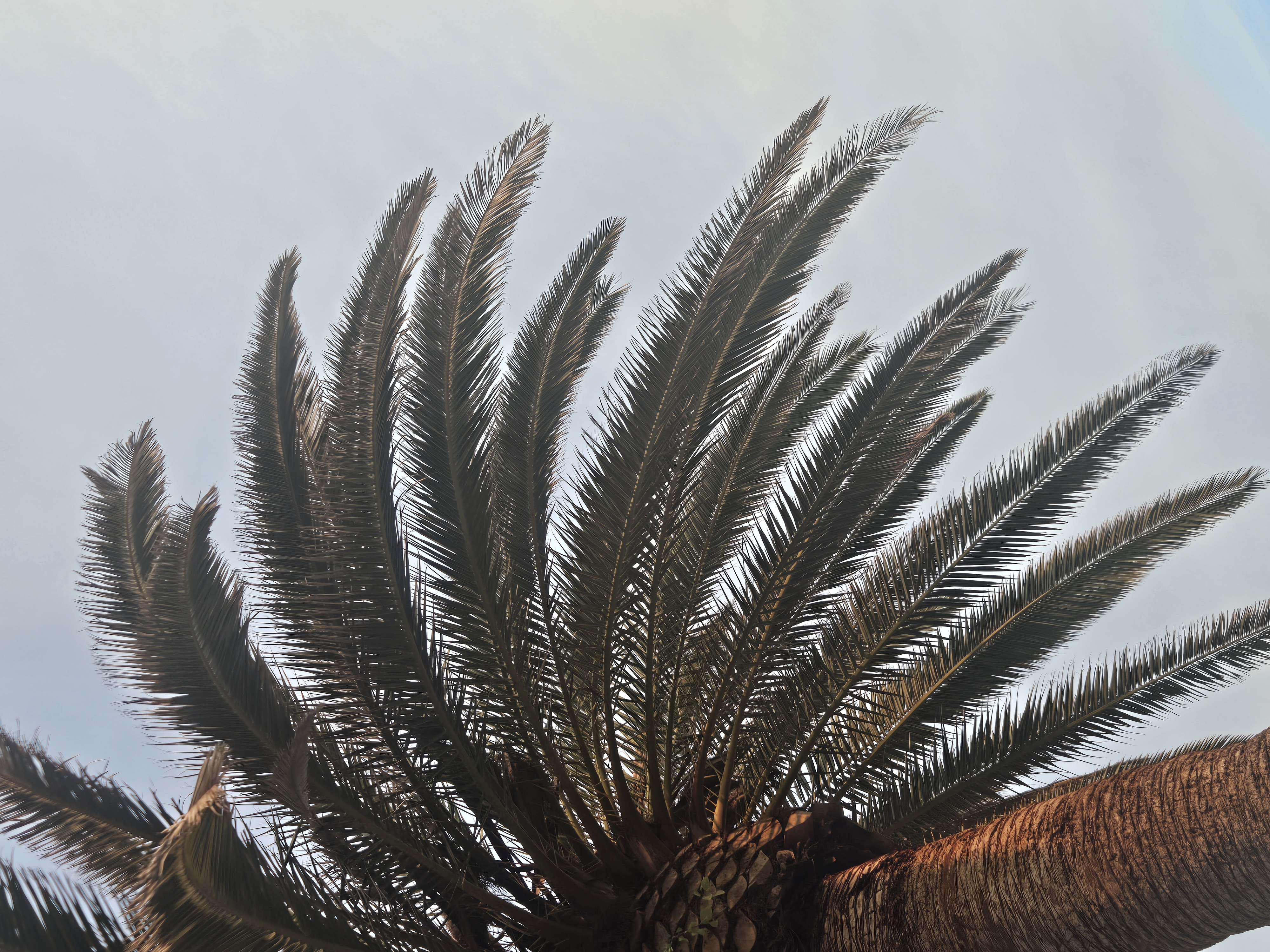
This is my own mature Canary Island date palm in Old Escondido. I began watching it closely after someone suggested it might be affected by South American palm weevil.
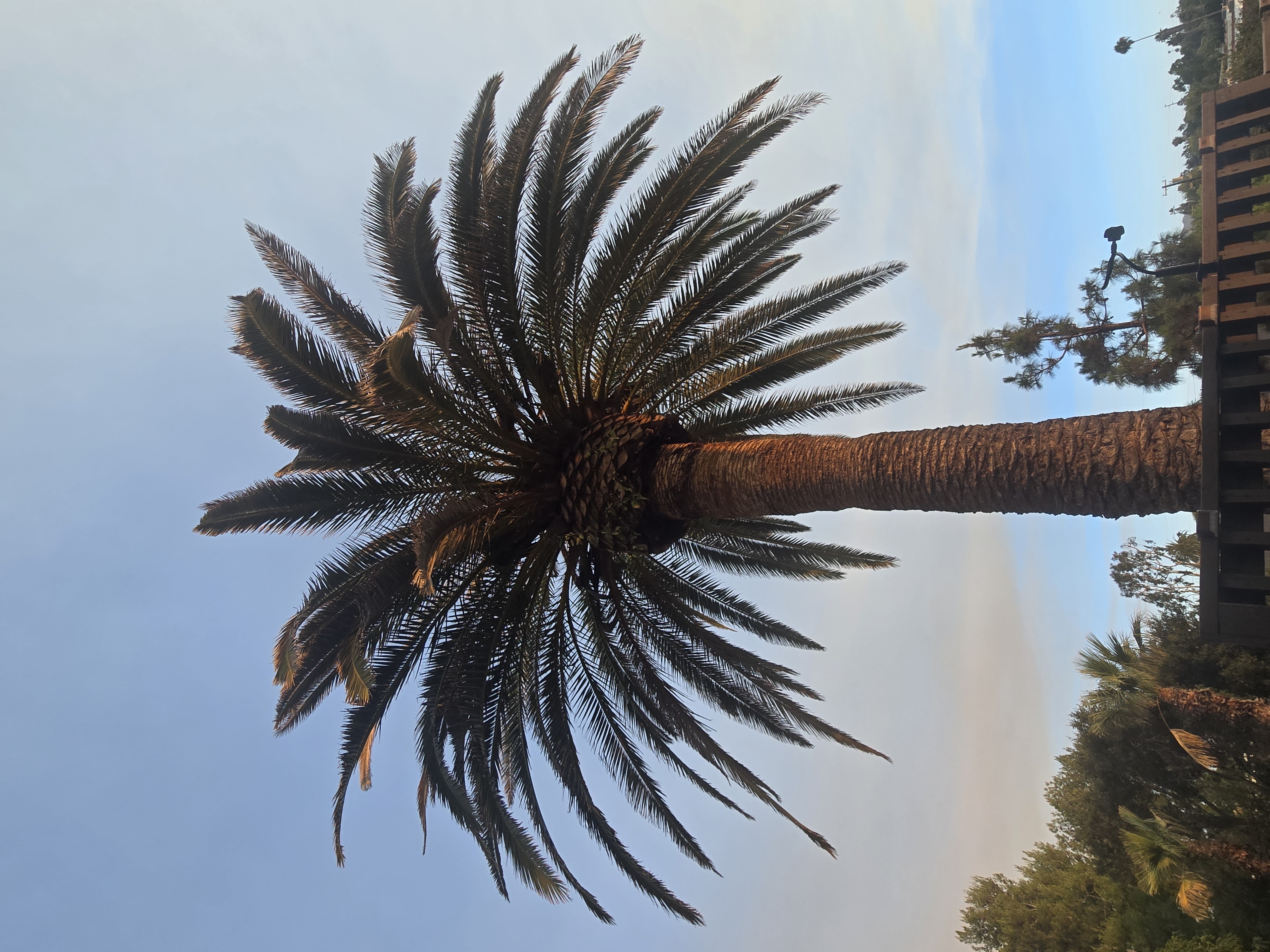
Mature Canary Island date palm in Old Escondido being monitored after adult palm weevil activity
The whole palm under continuing observation.
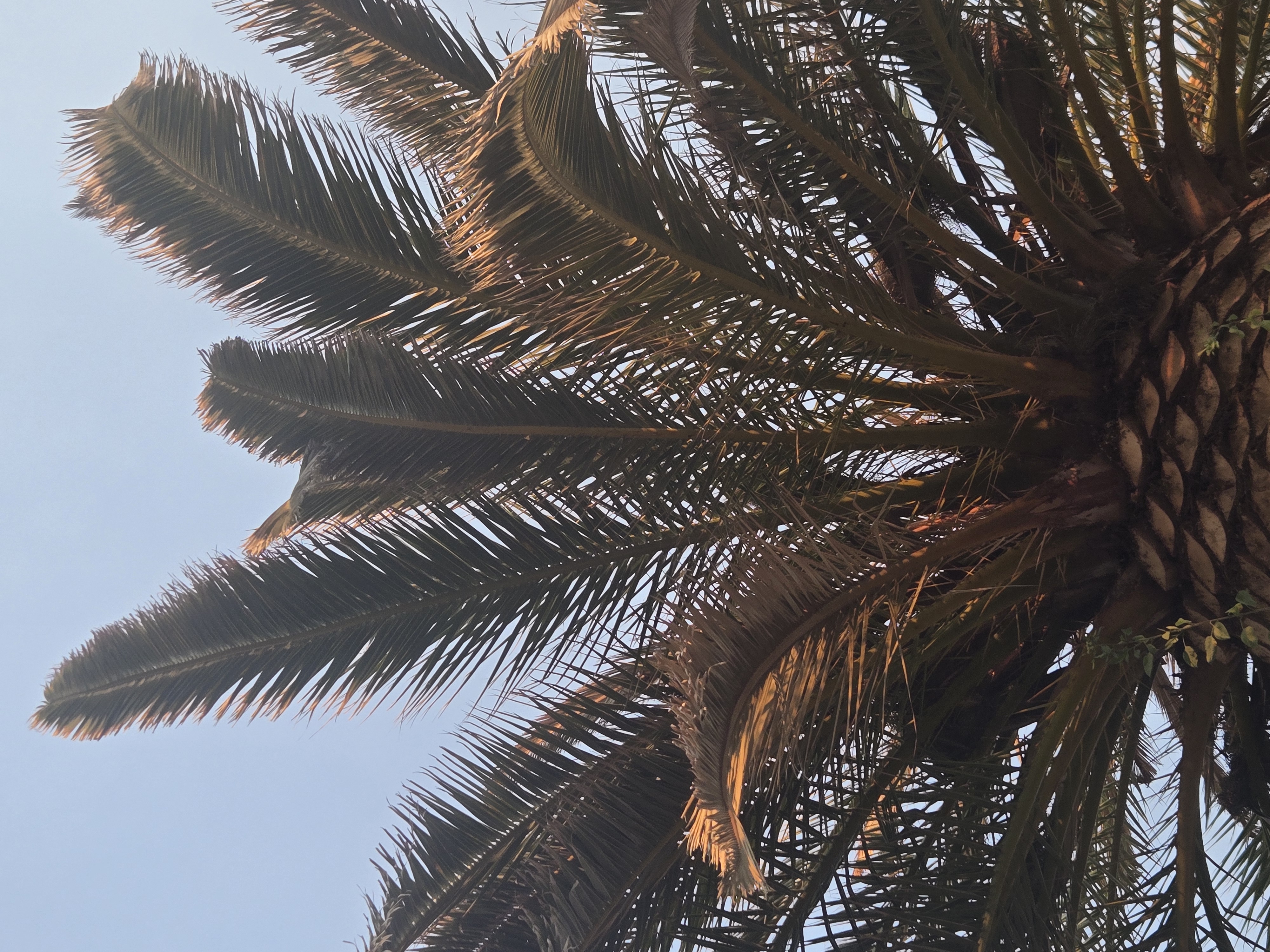
Crown view of a mature Canary Island date palm in Old Escondido under ongoing health monitoring
A closer crown view for comparison over time.
Frond and crown decline symptoms on a mature Canary Island date palm in Old Escondido
Visible decline is part of the record, not a complete diagnosis by itself.

The palm has been treated twice, and I have caught adult palm weevils on or around it. I am not calling it cured, saved, doomed, or beyond help.

The crown has shown decline, but the palm has not rapidly collapsed. It has looked relatively stable for months. That makes repeat photographs more useful than a dramatic conclusion based on one day.

I am continuing to treat, watch, and compare it. This is the kind of uncertainty owners of mature palms actually have to manage: act on the risk without pretending to know an outcome that has not happened.

Related: mature palm stewardship and Old Escondido palm documentation.

Seen something similar?

Report a palm on the community map. Locations are approximate and reports are unverified.

Request a palm assessment or call/text 262-492-3135.