
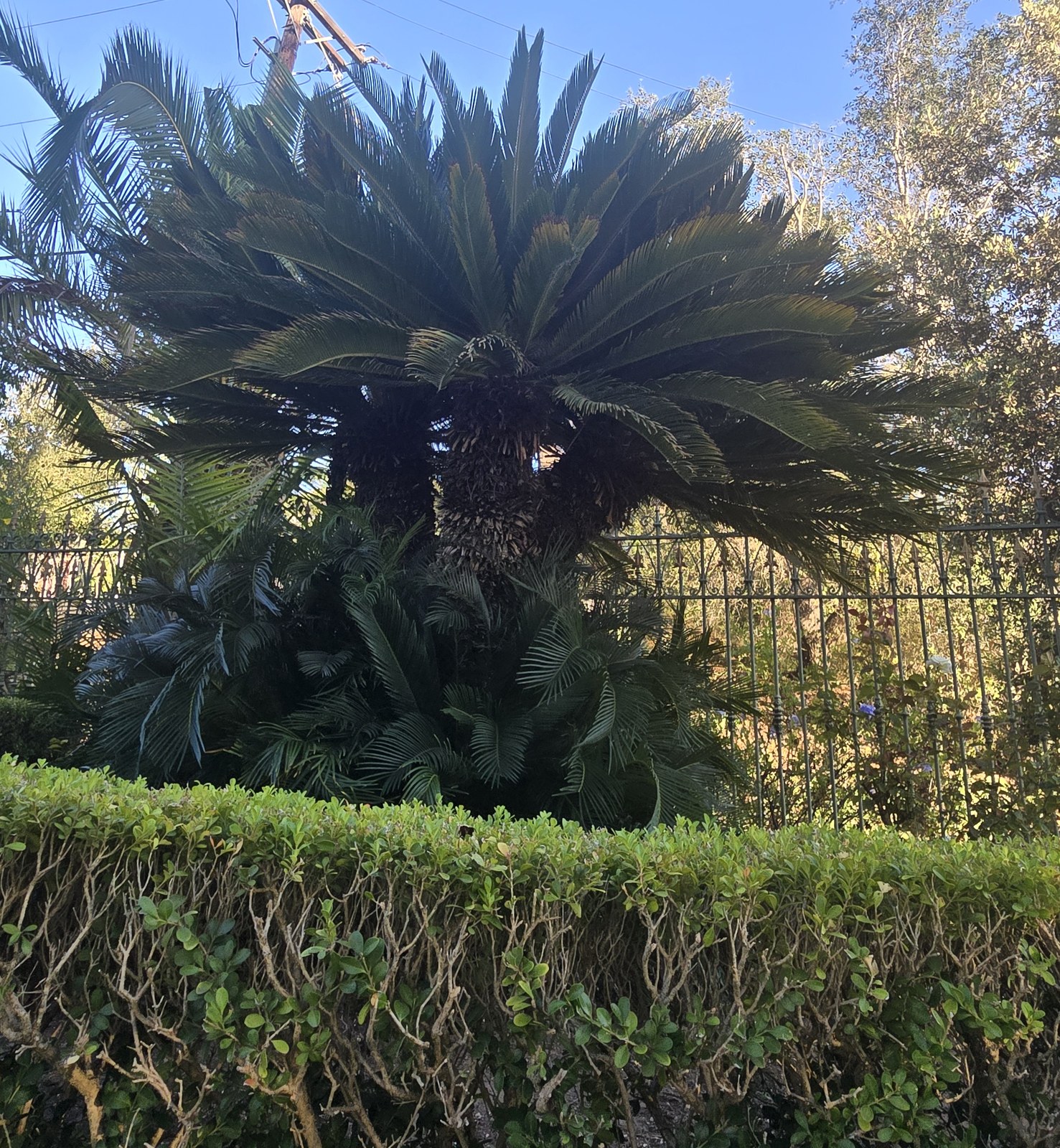
Mature palms do not always present a simple treatment question.
At a private Escondido property, I was initially asked to help evaluate relocation opportunities for several established palms. That assignment quickly became something broader: documenting the collection, separating individual plants from multi-trunk groupings, identifying unfamiliar cycads, researching realistic relocation markets and protecting the property’s Canary Island date palms while that work continues.
A landscaper can trim them. An applicator can treat them. A broker can look for a buyer. My job here is to keep those decisions connected so the owner is not left coordinating several partial answers.
That means asking:
- Which plants have genuine specimen value?
- Which can realistically survive excavation and relocation?
- Which buyers have the equipment and experience to move them responsibly?
- Which palms are unlikely to sell but remain worth protecting?
- What treatment and condition records should follow the plants?
- What outcome actually serves the property owner?
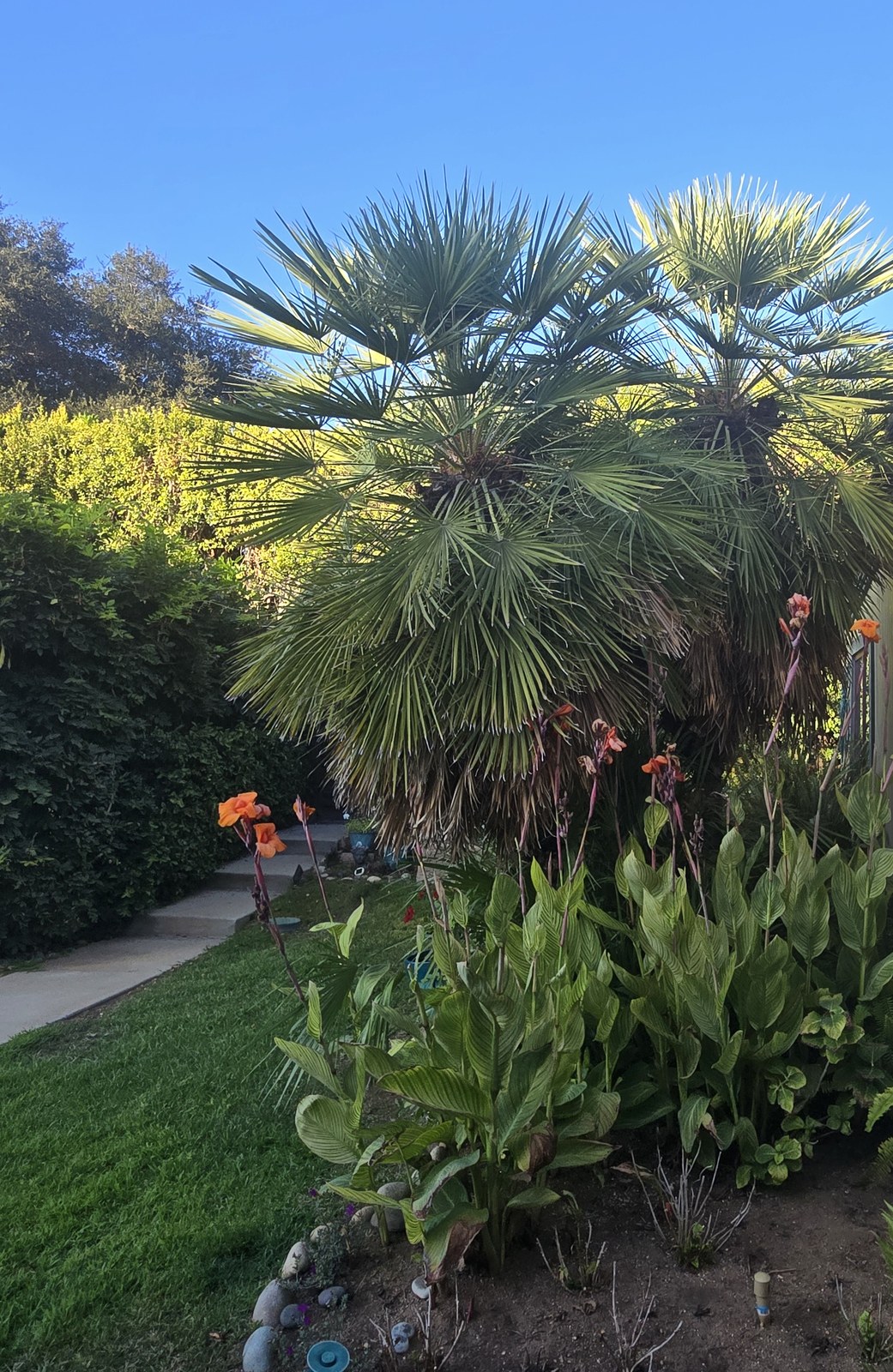
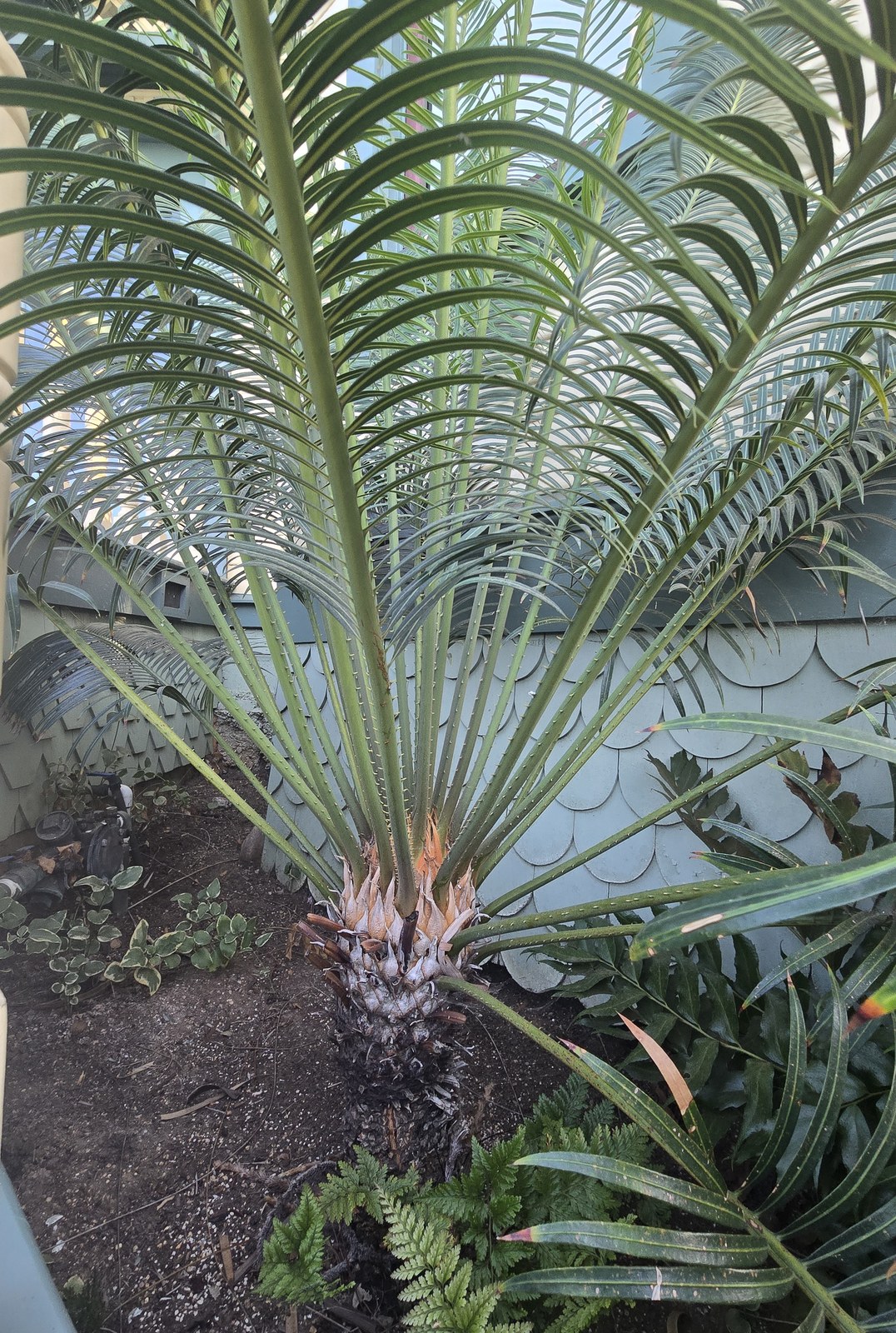
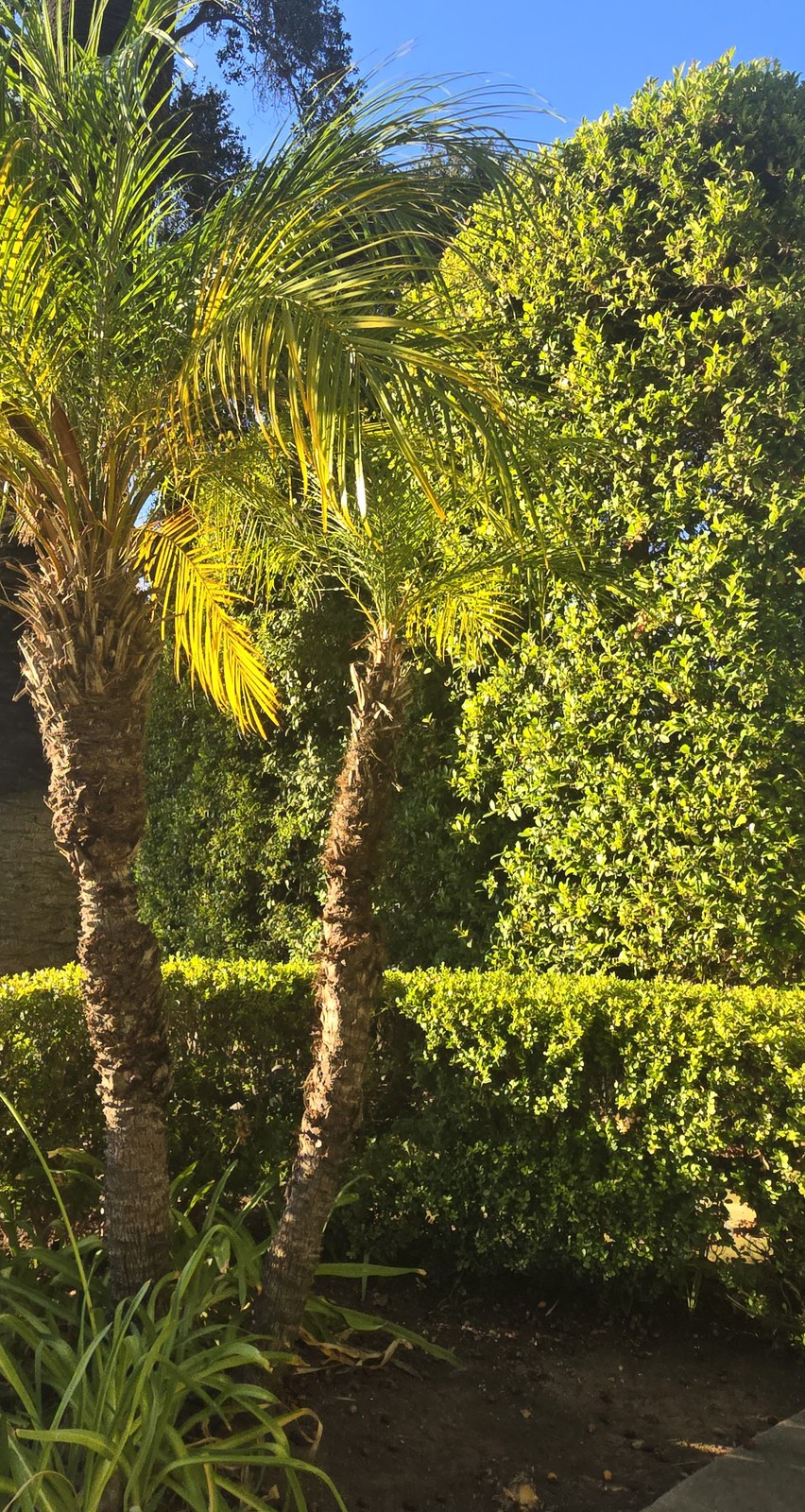
This collection includes a multi-trunk Mediterranean fan palm, pygmy-date groupings, multi-headed sagos and an established Encephalartos cycad requiring specialist identification. Each plant belongs in a different market and carries different relocation economics. Treating them as one undifferentiated group would make a successful outcome less likely.
This is what I mean by palm stewardship: know which plant we are discussing, treat and monitor where appropriate, keep the history together, and help the owner decide what happens next.
Call John Krause at (262) 492-3135 or visit sandiegopalmprotection.com.